




I love old books, but sometimes the gulf between the culture in which a book was written and my own is so great that I fail to get the original intent of the author. Nadya Williams has a new book to address this very problem. Christians Reading Classics is an invaluable guide to bridging the cultural divide between the authors of some of the most time-tested classic works from the ancient world and us. It is divided into five parts, in rough chronological order.
Part I is Longing for Eternity, and it covers Homer’s The Iliad, Hesiod’s Theogony and Works and Days, Pindar’s Odes, and the Histories of Herodotus and Thucydides. Each chapter is relatively short but packed with profound insights. For example, in her analysis of The Iliad, Williams writes,

 From the blog Thinking Through Christianity and Scott Shiffer
 Augustine is not a Christian Platonist! He doesn’t think sex is bad! The evil City of Man is not politics!
 Let’s talk for a moment about life, the universe and everything. I don’t know any question about life, the universe, and everything to which the answer is definitely Forty-Two (see
 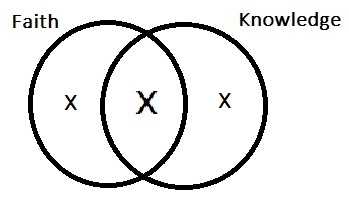 It is commonly assumed that an item of knowledge and an article article of faith can never be the same thing. This assumption is mistaken. In this post, I will explain only one point: trust in authority can be a source of knowledge. That’s what faith is: trust. It’s still the first definition of “faith” in the